
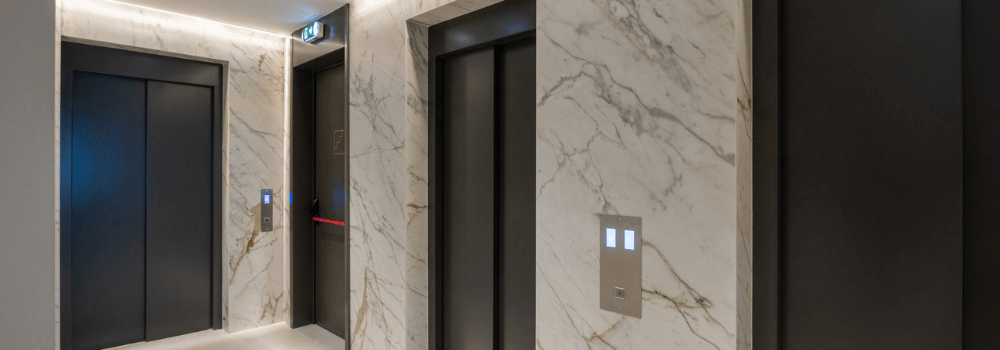
Luxury renovations today aim for calm, enduring spaces. The goal is a home that reads clearly and feels balanced, supporting daily life with quiet confidence. Materials lead the conversation, then light, proportion and circulation. Specialist interventions remain discreet, so the architecture remains central. This guide explores how timeless materials and finishes elevate design and how refined access can support the way you live.
Renovations involve hundreds of small choices. Clear rules for materials and junctions reduce decision fatigue and protect the calm you are designing.
What defines luxury renovations today?
The best luxury renovations prioritise composure, material honesty and longevity. Natural stone, fine timber, patinated metals and low‑iron glass add depth without spectacle. The result is a home that feels settled, reads clearly and ages well.
Calm plans and clear circulation give rooms breathing space. Textural choices soften acoustics. Proportions come first. When the palette is disciplined, the home feels consistent from arrival hall to private spaces. Detail follows purpose: slim reveals, neat junctions, considered hardware. The whole reads as intentional design.
How do materials shape atmosphere and daily rhythm?
Materials regulate temperature, texture and light. Stone cools, timber warms, bronze grounds hardware and low‑iron glass keep views clear. When finishes stay consistent across rooms, movement feels effortless and rooms feel connected.
In luxury renovations, plan in layers. Start with primary surfaces that carry weight over time: floors, stairs, major wall planes. Add secondary elements that tune light and touch: door sets, ironmongery, handrails and trims. Use high-polish surfaces sparingly. Matte or honed finishes often feel calmer than high gloss. In high‑traffic rooms, choose durable, repairable finishes so the home wears well.
How do you future‑proof a luxury renovation without visual clutter?
Keep systems discreet and plan them early. Lighting control, climate and step‑free movement work best when planned into the architecture early rather than adding them later.
Future‑ready living is about comfort without visual noise. Place service routes so they do not cut across main sightlines. Align call points and switch plates. If you are considering refined access, a well‑placed home lift preserves sightlines, shortens routes and keeps the plan legible across levels. Explore options on our Home Lifts page.
Which materials and finishes truly feel timeless?
Choose stones with measured veining, oiled or closed‑grain timbers, and metals that patinate with grace. Use low‑iron glass where clarity matters. Avoid trend‑led laminates on major surfaces; reserve fashion notes for accents you can change.
Timeless surfaces pair with measured detailing: consistent reveal depths, aligned shadow gaps and coordinated metal tones across hardware and trims.
- Stone. Limestone and certain marbles give depth without noise. Honed or leathered textures read softly under daylight.
- Timber. Oak and walnut take repair well and mature with character. Finish to suit use: oiled for warmth, lacquered for resilience.
- Metals. Brushed or patinated brass and bronze sit well with classic and contemporary schemes. Keep tones consistent across handles, trims and frames.
- Glass. Low‑iron glass protects clarity for balustrades or enclosures where views matter.
What does a materials mock‑up add to decision‑making?
A physical mock‑up clarifies tone and texture under real light. You see how stone veining sits next to timber grain, and how metals read against glass.
Bring a small palette to a controlled space and test finishes at the scale you will live with. Check reflected light, touch and how edges look when panels meet. If you are planning refined access, view metal trims and glass clarity next to your chosen surfaces so the lift feels part of the scheme.
How do you plan junctions and reveals so materials meet cleanly?
Clean junctions make luxury renovations feel composed. Set consistent reveal depths, align shadow gaps with door heads and keep trims slim so lines read continuous. Decide thresholds early so floors meet flat and quiet.
Specify reveal dimensions on drawings. Keep metal tones consistent across frames, handles and trims. Use test offcuts to confirm how stone meets timber at thresholds. Align balustrade fixings with stair rhythm. Where glass meets plaster, use a neat channel so the edge reads cleanly. These details keep surfaces calm when rooms are busy.
Where do refined access solutions fit within luxury renovations?
Refined access belongs in the plan, not after it; early placement can preserve sightlines and shorten routes.
When movement across levels feels effortless, the whole scheme feels calmer. A discreet lift preserves sightlines and keeps rooms connected without breaking the line of a stair or a gallery.
Placement determines how quiet the effect feels. Central positions suit compact plans and shorten routes. Edge positions protect long views in open‑plan rooms. Finishes carry the story: metals echo ironmongery; trims relate to flooring; glass clarity matches adjacent glazing. For realised examples, browse our Case Studies.
How do you keep everything cohesive from plan to finish?
Document the palette, junctions and reveal dimensions. Align metal tones and call points. Confirm finished floor levels and door positions. Specialist drawings reduce rework and keep the site aligned.
Consistency comes from decisions made early and recorded clearly. Renovations come with hundreds of small decisions. A defined palette and documented reveals reduce rework and keep choices clear when timelines tighten. We can supply finish samples and coordinate drawings so metal tones, glass clarity and reveal depths match your specification. Mark a delivery path and protect finished surfaces. Share final schedules with contractors so hardware, profiles and colours remain consistent. If refined access is part of the project, see our Process of Buying a Home Lift to understand surveys, drawings and coordination.
Should you review materials in person before you commit?
Seeing materials at scale clarifies tone, texture and light. You can judge veining next to timber grain, compare metal tones under daylight and confirm edges before placing orders. A short showroom review reduces rework and speeds decisions.
We would be pleased to welcome you to our showroom for a private review of metals, glass and trims alongside your renovation palette. Arrange a private appointment to see finishes under natural light and discuss placement with a specialist.
Is restraint better than trend in luxury renovations?
Yes. Restraint gives rooms longevity. Use trend notes sparingly through textiles, colour and art, while core surfaces stay timeless and repairable.
In luxury renovations, a restrained base palette carries through seasons and changes in taste. If you adjust tone later, you do not need to disturb floors, stairs or major joinery. The home remains coherent while details evolve.
What outcomes can you expect when Morgan Ellis supports your luxury renovation?
Clients can expect a home that feels composed day to day: sightlines can stay clear, thresholds can sit flush, and movement between levels can feel effortless. Our specialist surveys, placement reviews and finish coordination keep decisions aligned from plan to handover, so the result feels intentional.
Luxury renovations succeed when materials, light and circulation work together. A specialist‑led approach keeps decisions aligned from plan to finish. Where discreet access is required, placement and finishes matter as much as specification. We focus on quiet solutions that read as part of the architecture.
Aftercare and patina stewardship. Record finish types and care notes at handover. Use gentle cleaners, re‑oil timbers on schedule and allow brass or bronze to develop a measured patina. Good aftercare protects the calm, lived‑in quality that makes luxury renovations feel settled.
We would be pleased to host you for a private showroom consultation to review materials and placement on your plan. If useful, we can outline two viable locations with advantages and trade‑offs. Book a showroom visit, or explore our Home Lifts and Case Studies for reference.