
Luxury renovations often carry the assumption that achieving a refined finish means completing everything at once. At Morgan Ellis, projects are rarely approached that way. The strongest results come from focus rather than scale, particularly when early structural decisions such as layout, circulation, and the integration of a home lift are considered from the outset.
When homeowners approach luxury renovations with clear priorities and design-led decisions, they can achieve a premium outcome without spreading investment thinly across every element. The real difference comes from knowing which decisions shape how a space is perceived and letting those lead the project, including elements like home lifts that influence structure, movement, and long-term use.
Why Do Luxury Renovations Look Better When Design Leads the Spend?
Luxury renovations work best when design decisions guide financial ones, keeping priorities clear as the project develops. Not every element in a home carries the same visual weight, and decisions that affect structure, circulation, and long-term usability tend to shape the outcome more than surface finishes.
A clear hierarchy is what makes high-end spaces feel resolved. Elements such as layout changes, vertical circulation, and the early integration of a home lift often sit at the top of that hierarchy because they influence how the home functions across levels. When these decisions are addressed first, the renovation feels intentional, even if work progresses in stages.
Restraint plays a practical role here and experienced teams rely on it to keep schemes coherent, allowing key decisions to carry the visual weight without dilution.
This is where working with a specialist matters, as structured guidance helps homeowners establish priorities early and avoid decisions that complicate later stages. Morgan Ellis’ approach, outlined in why choose Morgan Ellis, reflects their emphasis on early advice, coordination, and end-to-end support.
Why Do Fewer, Better Materials Create a More Premium Finish?
One of the most common challenges in luxury renovations is over-specification, particularly when teams make decisions without a clear hierarchy and clear priorities. Introducing too many materials or finishes can dilute the overall effect, even when each choice is individually high quality.
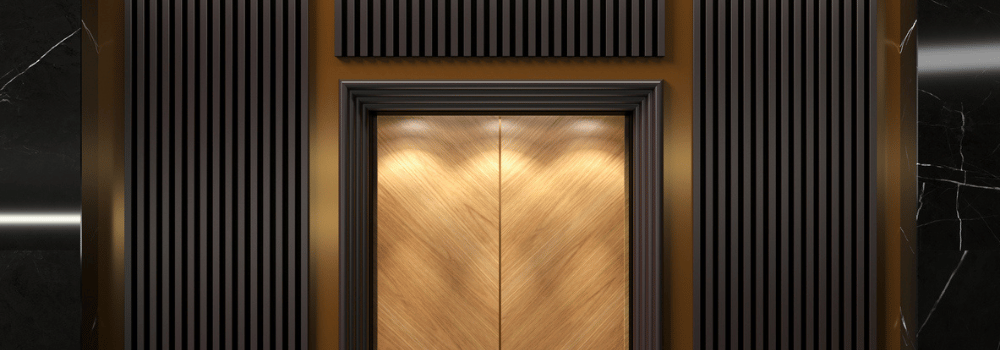
A limited palette allows proportion and texture to do more work. Repetition creates consistency, which helps the scheme read clearly. This principle applies not only to surfaces and finishes, but also to larger interventions such as home lifts, where a considered choice of cabin finishes, doors, and surrounding materials helps the lift sit comfortably within the wider design.
Consistency across connected spaces plays an important role here. Carrying related tones and finishes through key sightlines, including areas around a home lift, helps the renovation feel cohesive and intentional rather than pieced together.
If you are weighing up which design decisions will have the greatest impact, seeing finished spaces in person can help clarify where focus matters most. Visiting the Morgan Ellis showroom allows you to see different home lift models in operation, compare finishes, and discuss practical considerations such as space requirements, door operation, and how a home lift integrates into the wider renovation layout.
How Can You Sequence a Luxury Renovation Without Losing Design Integrity?
Not every luxury renovation needs to be completed in a single phase. Many successful projects rely on careful sequencing and early coordination. What matters is maintaining a clear design direction from the outset.
Sequencing allows homeowners to prioritise structural decisions and layout refinement first, before committing to finishes. These choices establish the framework for the home. Home lifts are a good example of why this order matters, as their placement affects floor openings, power requirements, and how spaces connect across levels.
A structured planning process supports this sequencing by setting decision points in the right order. The process of buying a home lift illustrates how early-stage planning and coordination help protect design intent as projects progress. Later stages can then build on that structure without disrupting the overall coherence.
A clear sequence also protects finished elements and reduces the likelihood of rework later in the project. Addressing structural works and first-fix requirements before installation and finishing stages helps reduce the risk of later disruption and damage.
This approach ensures the space feels resolved at each stage because the underlying design logic remains consistent.
What Common Mistakes Dilute the Impact of Luxury Renovations?
Luxury renovations lose impact when decisions lack hierarchy, which often happens when too many elements compete for attention at once. Spreading attention evenly across too many areas often leads to spaces that feel busy rather than composed.
Another common issue is focusing on specification before proportion. High-quality materials cannot compensate for awkward scale or unresolved transitions. Adding features without a clear role in the overall design can also distract from more important elements.
Clear prioritisation helps avoid these issues by allowing secondary elements to support the design instead of competing with it.
How Does Specialist Planning Help Focus Investment in Luxury Renovations?
Specialist planning brings clarity to luxury renovations by identifying early which decisions will define the finished space and which can remain secondary. Early guidance helps homeowners avoid unnecessary complexity and protects the design from fragmentation.
This process directs effort where it has the greatest effect. When priorities are established early, each decision reinforces the overall outcome rather than pulling it in different directions.
Bringing Focus and Intent to Luxury Renovations
Luxury renovations do not depend on doing everything at once. They depend on disciplined decision-making at each stage.
When homeowners approach renovation with restraint, clear priorities, and design-led judgement, a high-end finish remains achievable without excess. Elegance comes from clear decisions made with confidence.
In many luxury renovations, home lifts are one of the most significant decisions made early on, shaping layout, circulation, and how the home will be used over time. When integrated as part of the wider renovation strategy, a home lift can support both day-to-day practicality and the long-term value of the property.
If you are planning a luxury renovation and considering how a home lift could be incorporated from the outset, speaking with a specialist early can help protect design intent and avoid costly compromises later. You can contact Morgan Ellis to discuss your project, explore suitable home lift options, and understand how early planning can support a more considered renovation outcome.