
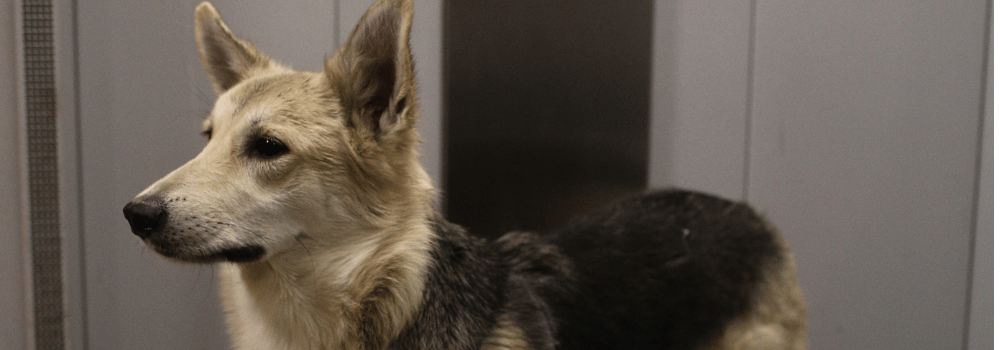
Pets move through a home differently to people, reacting to sound and movement and often staying close to their owners. When a property includes a home lift, safety planning needs to account for those behaviours during everyday use.
For homeowners living with dogs or cats, one question usually comes up early: are home lifts safe for pets? The answer comes down to how the lift is designed, where it sits within the property, and how it is used day-to-day.
Are Home Lifts Safe for Pets in Everyday Use?
When designers integrate home lifts properly into a property, they operate safely around pets. Enclosed cabins and predictable door operation create a contained space that pets learn to recognise over time, which is why households with animals often choose enclosed home lifts as a suitable option for day-to-day use.
Different from open circulation areas, a lift follows a clear sequence: doors open, movement begins, doors close. This consistency reduces confusion at the point of use. For animals that respond instinctively to sudden changes, a defined, enclosed system reduces the chance of surprise or accidental entry at the wrong moment.
Home lift safety for pets relies on clear doors, enclosed cabins, and a defined layout that guide predictable behaviour.
How Pets Interact with Vertical Movement in the Home
Dogs and cats often respond differently to stairs and changing floor levels. Some follow closely behind their owners; others pause suddenly or dart forward. Noise and unfamiliar movement can trigger curiosity or hesitation.
Pets are more likely to act unpredictably during entry or exit than during lift travel. Homes that rely on open staircases or exposed movement zones give animals fewer visual or physical cues about where it is safe to stand.
Home lifts function more safely in homes with pets when designers clearly define the lift area and separate it from main circulation routes.
Key Pet Safety Considerations for Home Lifts
Pet safety considerations for home lifts focus on design and everyday use, not mechanical detail.
Enclosed cabins create a physical boundary that helps pets understand where it is safe to stand. Controlled door movement helps avoid sudden openings that might startle animals. Good internal lighting allows pets to see clearly inside the lift, which reduces hesitation at entry points.
Quiet operation reduces sudden noise or movement that may disturb pets.
From a technical perspective, well-designed home lifts include built-in safety systems that support pet safety without requiring constant intervention. Door or gate interlocks prevent the lift from moving unless entrances are properly secured. Obstruction detection systems, such as safety edges or light-based sensors, allow doors to reopen if something is detected in the threshold. Depending on specification, some home lifts include controlled emergency lowering in the event of a power interruption, which helps maintain a stable environment. Understanding how these features work helps homeowners assess risk more accurately.
The lift doorway requires the most attention. Pet-related issues are more likely to occur at the moment of entry or exit than during lift travel. Dogs following closely on a lead or cats darting through partially open doors can introduce avoidable risk. Pausing briefly before closing doors, keeping pets close during entry, and maintaining clear visibility at the door line helps prevent these situations and reinforces safe, predictable use.
Pet-Safe Home Lift Design Starts with the Right Layout
Pet-safe home lift design begins with placement. A lift positioned away from feeding areas, sleeping spots, or high-energy play zones reduces the chance of pets gathering around it at busy moments. Thoughtful placement supports normal household movement.
Materials and finishes matter too. Clear sightlines help pets understand where the lift begins and ends. Well-defined thresholds make it easier for animals to recognise when to stay back and when it is safe to approach.
In well-planned homes, the lift integrates into the layout without drawing attention from pets.
Layout decisions can further reduce unnecessary interaction. Keeping the immediate landing area visually calm and free from clutter helps pets recognise the lift as a transitional space rather than a gathering point. Avoiding direct lift exits into narrow corridors or tight circulation routes also reduces crowding, giving pets clear space to pause rather than cluster at the threshold.
Using Home Lifts in Homes with Pets: Habits That Matter
Design sets the foundation. Daily habits determine how safely the lift is used, particularly during early use. Pets benefit from consistency, routine, and calm interaction around the lift during those first weeks.
Simple habits, such as ensuring pets are settled before the lift is used or asking them to wait at a short distance, can be established quickly. Over time, pets learn the sequence of use and adjust their behaviour.
These routines support home lift safety for pets and keep everyday movement simple.
If you want to understand how different lift designs operate in practice, visiting the Morgan Ellis showroom allows you to see enclosed cabins, door operation, and movement first-hand before making any decisions.
For pets that are sensitive to new sounds or movement, a gradual settling-in approach improves confidence. Allowing animals to observe the lift while stationary, then introducing short, calm journeys before regular use helps build familiarity. Pairing early use with calm reinforcement supports confidence rather than anxiety, particularly for dogs that may be cautious around unfamiliar mechanical noise
Why Enclosed Home Lifts Reduce Risk Compared to Stair-Based Solutions
Open stair-based solutions expose pets to unpredictable movement and multiple access points. Animals can enter the space from different angles, often without clear visual cues that movement is about to occur.
Enclosed home lifts reduce that uncertainty. Doors define access and cabins limit space, with movement only occurring once the environment is secure. For households with pets, that clarity reduces avoidable day-to-day risk.
This is why many homeowners find that home lifts offer a calmer, more controlled option when pets are part of the household dynamic.
Planning a Home Lift That Works for Everyone in the Household
A home needs to work for everyone who lives there, including people and pets. Planning a lift with that in mind supports both present comfort and long-term living.
Considering pet behaviour early helps shape decisions around placement, layout, and design, which is why understanding the home lift planning process plays an important role in achieving a safe outcome. It also ensures the lift integrates smoothly into daily routines rather than feeling like an adjustment that pets need to navigate around.
With the right approach, home lifts support mobility and pet safety without compromising design continuity, as shown across many real home installations where lifts have been planned as part of the overall layout.
Homeowners must also allow safety systems to function as intended. Interlocks, sensors, and door controls are designed to manage risk during everyday use, including in households with pets. Bypassing or altering these features to speed up access can undermine that protection and should always be avoided. Specialist guidance keeps safety built into the lift and avoids workarounds that introduce unnecessary risk.